
Top Medical Conditions Where Botox Therapy Helps Manage Severe Pain Effectively

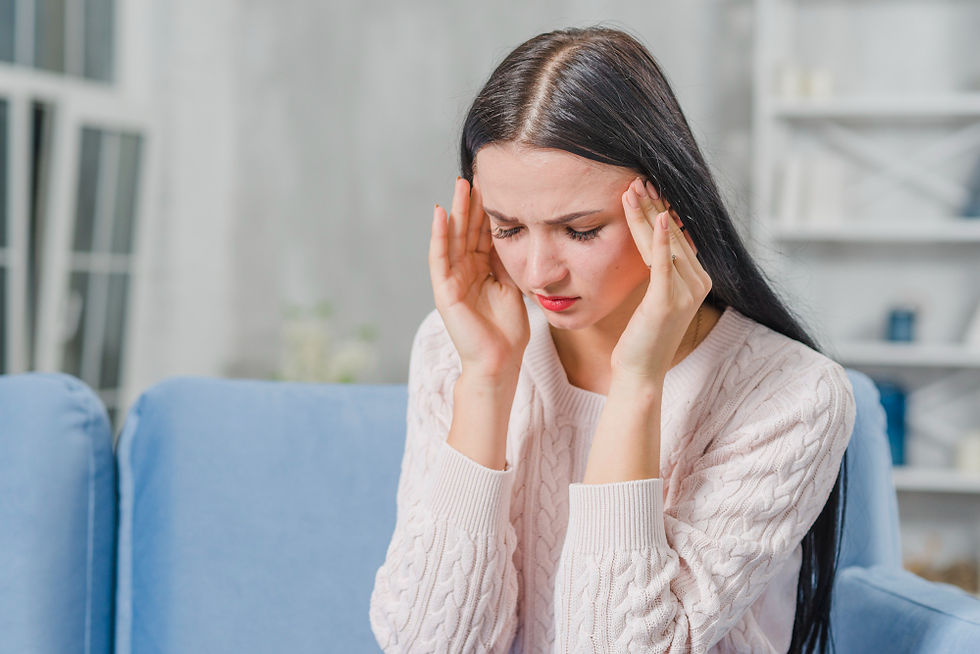
Chronic pain can affect mobility, productivity, and overall quality of life. While many treatments focus on temporary relief, botox therapy has become a reliable option for long-term pain management. Known for its ability to relax muscles and block pain signals, this treatment is now widely used in medical settings to help patients who struggle with intense or recurring pain. Here are some of the top conditions where botox therapy has shown significant benefits.
1. Chronic Migraine
One of the most common medical uses of botox therapy is the treatment of chronic migraines. Patients who suffer from headaches for 15 or more days a month often find it difficult to function normally. Botox injections help by reducing muscle tension in the head and neck, lowering the frequency and severity of migraine attacks. Many patients report fewer debilitating episodes after regular treatment cycles.
2. Cervical Dystonia
Cervical dystonia, also known as spasmodic torticollis, is a condition where the neck muscles contract involuntarily, causing severe pain and abnormal head posture. Botox therapy helps by relaxing the overactive muscles and reducing the intensity of spasms. This significantly eases pain and helps patients regain comfortable neck movement.
3. Myofascial Pain Syndrome
This condition causes chronic pain in the muscles due to tight knots or trigger points. Myofascial pain often affects the shoulders, back, and neck. Botox therapy blocks nerve signals that trigger muscle tension, helping reduce stiffness and tenderness. It also supports long-term pain relief when paired with physical therapy.
4. Spasticity After Stroke or Injury
Muscle spasticity is common among individuals who have suffered a stroke, spinal cord injury, or traumatic brain injury. The condition causes tight, rigid muscles that are painful and difficult to control. Botox therapy helps relax these muscles, allowing better movement, improved comfort, and easier participation in rehabilitation exercises.
5. Temporomandibular Joint (TMJ) Disorders
TMJ disorders often lead to jaw pain, facial discomfort, and chronic headaches. Botox therapy can reduce muscle tension in the jaw, helping patients who clench or grind their teeth. This treatment supports smoother jaw movement and reduces the pain linked to TMJ complications.
6. Neuropathic Pain
Some patients suffer from nerve-related pain due to conditions like diabetes, shingles, or nerve injury. Botox therapy helps block pain signals from the nerves, offering relief when other treatments have limited effect. It is especially helpful for patients who want a non-opioid option for long-term pain control.
7. Pelvic Floor Pain
Pelvic pain caused by muscle tension or spasms can be difficult to manage through medication alone. Botox therapy relaxes the pelvic muscles, reducing pain and helping patients regain comfortable movement. It is often recommended when traditional treatments do not provide enough relief.
Medical Rehabilitation Center: A Trusted Name for Pain Relief
Medical Rehabilitation Center has built a strong reputation as a reliable pain management hospital in Kolkata, offering advanced treatment options such as botox therapy. Their team focuses on accurate diagnosis, personalized treatment plans, and safe administration techniques to help patients manage severe pain effectively. With trained specialists and a patient-centric approach, Medical Rehabilitation Center supports long-term recovery and improved comfort.
Conclusion
Botox therapy has become a valuable tool for patients dealing with severe and chronic pain. From migraines and muscle disorders to neuropathic pain and TMJ issues, this treatment offers controlled relief by targeting the source of discomfort. When performed by trained professionals, it helps reduce pain intensity, supports better mobility, and improves day-to-day comfort. With trusted centers like Medical Rehabilitation Center offering dedicated care, patients can access safe and effective solutions for ongoing pain challenges.



Comments