
Spasticity in Stroke Survivors: Recovery Approaches Followed by Paralysis Hospital in Kolkata


Stroke often changes how the body moves, reacts, and performs everyday tasks. One of the most common challenges faced after a stroke is spasticity, a condition where certain muscles become stiff or tight due to disrupted signals between the brain and the body. Spasticity not only restricts mobility but also creates discomfort, making rehabilitation essential for restoring function and independence. Understanding the nature of spasticity and the recovery approaches taken by a paralysis hospital in Kolkata helps patients and families stay informed while planning long-term care.
What Is Spasticity After Stroke?
Spasticity occurs when the muscles receive abnormal nerve impulses following damage to the brain. This leads to involuntary muscle contractions, increased tone, and reduced flexibility. Stroke survivors may notice tightness in the arms, legs, hands, or feet, which affects normal movements like walking, grasping objects, or maintaining posture. If untreated, it can lead to joint deformities, pressure sores, limited range of motion, and chronic pain. Early detection and intervention play a major role in preventing long-term complications.
Common Symptoms of Spasticity
Stroke survivors with spasticity may display:
Stiff or tight muscles
Sudden muscle spasms
Difficulty stretching limbs
Pain during movement
Limited joint mobility
Difficulty performing daily activities
These symptoms vary depending on the severity of the stroke and the part of the brain affected. Timely rehabilitation ensures better outcomes and helps patients regain functional independence.
Effective Recovery Approaches Used in Rehabilitation
Rehabilitation for spasticity focuses on improving muscle control, reducing stiffness, and supporting the patient’s ability to move safely. A paralysis hospital in Kolkata typically follows evidence-based methods backed by modern therapeutic techniques.
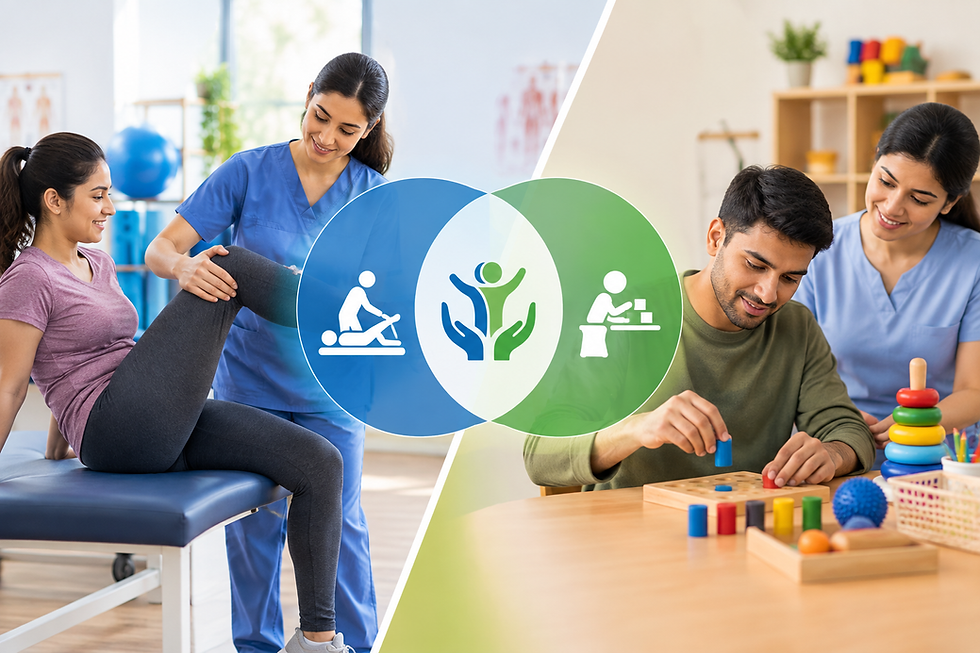
1. Physiotherapy
Physiotherapy is often the first line of treatment. It includes:
Stretching exercises to reduce muscle tightness
Strength training to support weakened muscles
Gait training for improving balance and walking
Functional exercises that help patients practice daily activities
Regular physiotherapy sessions prevent long-term deformities and improve overall mobility.
2. Occupational Therapy
Occupational therapists help stroke survivors relearn essential tasks such as dressing, feeding, or holding objects. They may suggest:
Splints and braces
Adaptive tools
Repetitive movement training
This ensures smoother hand and arm function.
3. Oral and Injectable Medications
Medications aid in controlling nerve-related muscle overactivity. In severe cases, botulinum toxin injections are used to relax stiff muscles, allowing better participation in therapy.
4. Orthotic Devices
Braces, supports, and customized orthotic devices help maintain the correct limb position, reduce pain, and support daily movement.
5. Electrotherapy
Techniques like functional electrical stimulation (FES) activate targeted muscles, helping them regain strength and coordination.
6. Hydrotherapy
Warm-water exercises offer gentle resistance with less strain on the joints. This method supports smoother muscle movement and pain relief.
7. Long-Term Rehabilitation Planning
A structured plan ensures that the patient continues to progress even after leaving the hospital. Regular assessments help adjust therapies based on changes in muscle tone and mobility.
Medical Rehabilitation Center: A Trusted Paralysis Hospital in Kolkata
Medical Rehabilitation Center offers a comprehensive approach to treating spasticity in stroke survivors. As a trusted paralysis hospital in Kolkata, it follows a multidisciplinary model involving physiotherapists, neurologists, occupational therapists, and rehabilitation specialists. Their approach focuses on personalized therapy programs, advanced equipment, and continuous patient monitoring. With structured care plans and goal-oriented strategies, the center aims to support every patient through each stage of recovery and help them regain confidence in their movements.
Conclusion
Spasticity is a common but manageable condition in stroke survivors. With proper rehabilitation, regular therapy, and timely intervention, patients can regain significant control over their body movements and reduce long-term complications. A reliable paralysis hospital in Kolkata plays a crucial role in providing structured care and guiding patients toward better recovery. Taking early action, staying consistent with therapy, and following expert advice create a strong foundation for long-term functional improvement.


Comments