
Essential Home Rehabilitation Exercises for Stroke Survivors

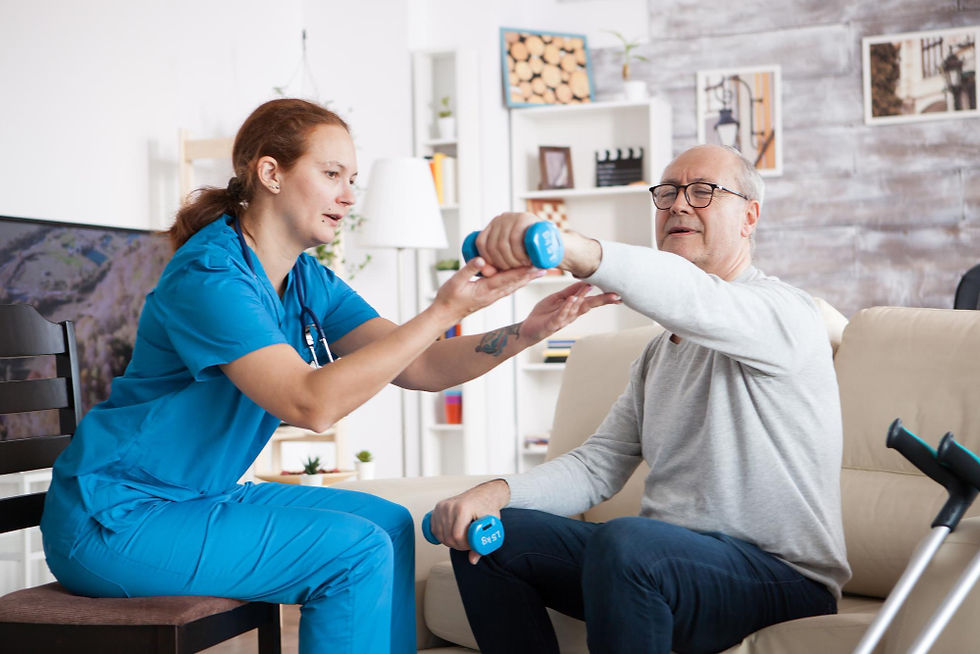
Recovering from a stroke takes time, patience, and consistent rehabilitation. After hospital treatment, many stroke survivors continue their recovery journey at home. Home rehabilitation exercises help improve strength, balance, coordination, and daily functioning. With proper guidance and regular practice, these exercises can support independence and improve quality of life.
Stroke rehabilitation focuses on retraining the brain and body to work together again. Depending on the severity of the stroke, survivors may face weakness, difficulty walking, reduced balance, speech problems, or limited hand movement. Home-based exercises can help manage these challenges while supporting long-term recovery.
Why Home Rehabilitation Matters After a Stroke
Rehabilitation at home allows stroke survivors to continue therapy in a comfortable environment. Regular movement prevents muscle stiffness, improves circulation, and helps regain mobility. It also supports emotional well-being by encouraging confidence and independence.
Home exercises should always be done carefully and, if possible, under the guidance of a physiotherapist or rehabilitation expert. Family support also plays an important role in helping survivors stay motivated and safe during recovery.
Simple Home Rehabilitation Exercises for Stroke Survivors
1. Shoulder and Arm Raises
Stroke survivors often struggle with arm weakness and limited shoulder movement. Gentle shoulder and arm raises can improve flexibility and strength.
How to do it:
Sit comfortably in a chair
Slowly raise the affected arm forward and upward
Hold for a few seconds
Lower the arm slowly
Repeat 10 times
This exercise helps improve upper-body mobility and supports daily activities such as dressing and eating.
2. Hand Grip Exercises
Weak hand muscles are common after a stroke. Hand grip exercises improve finger control and grip strength.
How to do it:
Hold a soft stress ball or towel
Squeeze gently for 5 seconds
Relax slowly
Repeat 10 to 15 times
These movements support better hand coordination and improve the ability to hold objects.
3. Seated Leg Lifts
Leg weakness can make walking difficult. Seated leg lifts strengthen the lower body safely.
How to do it:
Sit upright in a chair
Slowly straighten one leg
Hold for a few seconds
Lower the leg gently
Repeat on both sides
This exercise improves muscle control and balance.
4. Heel-To-Toe Walking
Balance problems are common among stroke survivors. Heel-to-toe walking helps improve coordination and stability.
How to do it:
Walk slowly in a straight line
Place the heel of one foot directly in front of the toes of the other foot
Use support if needed
Regular practice can help reduce the risk of falls.
5. Ankle Rotations
Ankle stiffness may affect walking and standing balance. Gentle ankle rotations improve flexibility and circulation.
How to do it:
Sit comfortably
Lift one foot slightly off the floor
Rotate the ankle clockwise and counterclockwise
Repeat 10 times on each foot
This exercise supports better foot movement and mobility.
Importance of Consistency in Stroke Rehabilitation
Stroke recovery does not happen overnight. Small improvements over time can lead to better independence and movement. Consistency is one of the most important factors in rehabilitation success.
Setting a daily exercise routine can help survivors stay active and focused. Exercises should be adjusted according to the individual’s condition and physical ability. Rest is also important to avoid fatigue.
Caregivers should encourage safe movements and monitor for signs of discomfort or dizziness during exercises.
Medical Rehabilitation Center Care for Stroke Recovery
Professional rehabilitation support can make a major difference in stroke recovery. Medical Rehabilitation Center care provides personalized treatment plans designed to improve mobility, strength, balance, and overall physical function. Patients receive guidance from experienced rehabilitation specialists who understand the challenges faced by stroke survivors.
For individuals searching for the best pain clinic in Kolkata, Medical Rehabilitation Center care also focuses on pain management, neurological rehabilitation, physiotherapy, and long-term recovery support. Combining expert supervision with home rehabilitation exercises can help stroke survivors regain confidence and improve daily living skills more effectively.
Tips for Safe Home Rehabilitation
Start with slow and gentle movements
Use support while standing or walking if necessary
Keep the exercise area free from obstacles
Stay hydrated during sessions
Stop immediately if severe pain or dizziness occurs
Follow the advice of rehabilitation professionals
Family involvement and emotional support are equally important during recovery. Positive encouragement can help stroke survivors stay motivated throughout the rehabilitation process.
Conclusion
Home rehabilitation exercises play an important role in helping stroke survivors regain strength, mobility, and independence. Simple daily exercises for the arms, legs, balance, and coordination can support steady improvement over time. When combined with professional rehabilitation support and consistent practice, home-based recovery can help stroke survivors manage daily activities more comfortably and safely.
FAQs
1. How soon should stroke rehabilitation exercises begin?
Rehabilitation exercises usually begin shortly after medical stabilization. Doctors and therapists decide the right time based on the patient’s condition.
2. Can stroke survivors fully recover with home rehabilitation?
Recovery depends on the severity of the stroke and consistency of therapy. Many survivors show significant improvement with regular home exercises and professional rehabilitation support.
3. How often should stroke rehabilitation exercises be done at home?
Most rehabilitation exercises are recommended daily or several times a week. A physiotherapist can create a safe and suitable routine for individual recovery needs.


Comments