
Why Protein Is Essential After Spinal Intervention for Scoliosis

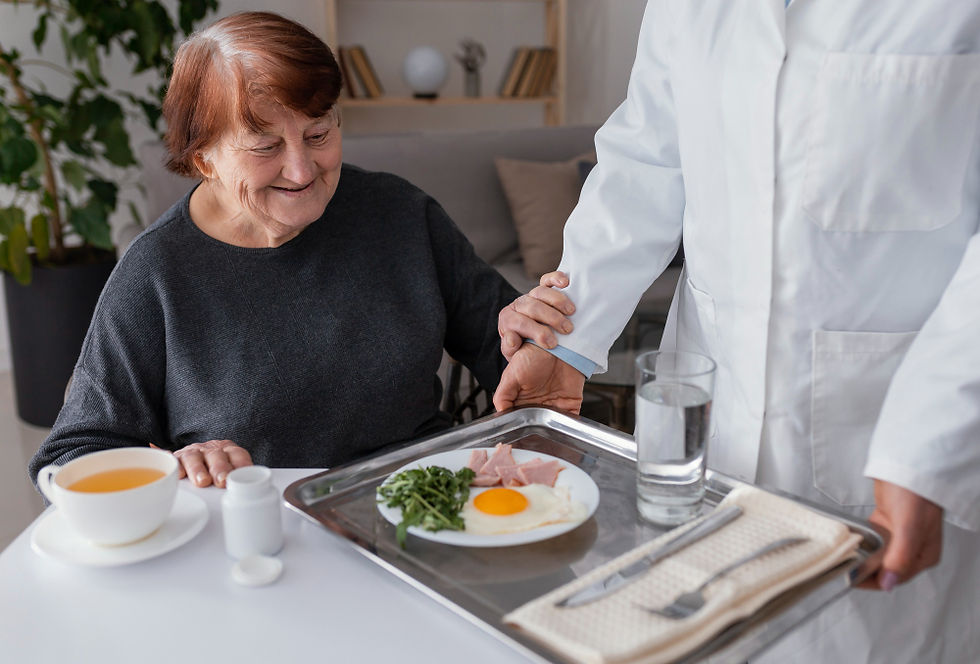
Scoliosis is a condition characterized by an abnormal curvature of the spine that can affect posture, mobility, and overall quality of life. In some cases, spinal intervention is recommended to correct the curvature, reduce discomfort, and improve function. While the procedure itself plays a critical role in treatment, recovery depends heavily on proper nutrition. Among all nutrients, protein stands out as one of the most important components of post-intervention care.
Protein supports tissue repair, muscle maintenance, and immune function, making it a key part of the healing process after spinal intervention for scoliosis. Must Read: Best Foods to Include in Your Diet After Spinal Intervention for Scoliosis
The Role of Protein in Recovery
Following spinal intervention, the body enters a healing phase where damaged tissues need repair and regeneration. This process requires a steady supply of amino acids, which are the building blocks of protein.
Adequate protein intake helps:
Repair muscles, ligaments, and connective tissues
Support wound healing
Reduce muscle loss during periods of reduced activity
Strengthen the immune system
Promote faster recovery and rehabilitation
Without sufficient protein, the body's ability to heal efficiently may be compromised, potentially extending recovery time.
Protein and Muscle Preservation
After spinal intervention, patients may temporarily reduce their physical activity levels. Prolonged inactivity can lead to muscle weakness and loss of muscle mass, especially in the back and core muscles that support the spine.
Protein helps preserve lean muscle tissue during recovery. Combined with rehabilitation exercises recommended by healthcare professionals, a protein-rich diet can help patients regain strength and mobility more effectively.
Foods such as eggs, fish, poultry, dairy products, lentils, beans, tofu, and nuts provide high-quality protein that supports muscle maintenance and repair.
Supporting Bone Health and Spinal Stability
Although calcium and vitamin D are commonly associated with bone health, protein also plays an important role in maintaining strong bones. The spine relies on healthy bone tissue to support alignment and stability after intervention.
Research suggests that adequate protein intake supports bone remodeling and regeneration. When combined with other essential nutrients, protein contributes to better structural support and overall spinal recovery.
Protein Helps Manage Inflammation
Inflammation is a natural part of the healing process. However, excessive or prolonged inflammation may slow recovery and contribute to discomfort.
Protein-rich foods containing essential nutrients can help the body regulate inflammatory responses. Lean meats, fish, dairy products, legumes, and plant-based protein sources provide nutrients that assist in tissue repair while supporting overall recovery.
Maintaining balanced nutrition also helps patients maintain energy levels during rehabilitation sessions and daily activities.
How Much Protein Is Needed After Spinal Intervention?
Protein requirements vary depending on age, body weight, activity level, and medical condition. Many healthcare professionals recommend increasing protein intake during recovery to support healing and tissue repair.
Good sources of protein include:
Eggs
Chicken and turkey
Fish and seafood
Milk, yogurt, and cheese
Lentils and beans
Soy products such as tofu
Nuts and seeds
Patients should consult their healthcare provider or dietitian for personalized dietary recommendations based on their recovery needs.
Rehabilitation and Recovery Care Following Spinal Intervention for Scoliosis
Recovery after scoliosis-related spinal intervention often involves structured rehabilitation alongside nutritional support. Medical Rehabilitation Center, recognized by many patients as the best pain clinic in Kolkata, provides comprehensive rehabilitation programs designed to improve mobility, strength, and functional recovery. Through individualized therapy plans, professional guidance, and multidisciplinary care, the center helps patients work toward better spinal health and long-term recovery outcomes after intervention.
Additional Nutritional Tips for Recovery
While protein is essential, a balanced diet remains equally important.
Patients recovering from spinal intervention should also focus on:
Staying adequately hydrated
Consuming fruits and vegetables rich in antioxidants
Including calcium-rich foods for bone support
Getting sufficient vitamin D
Limiting highly processed foods and excess sugar
Combining proper nutrition with medical guidance and rehabilitation can support a smoother recovery process.
Conclusion
Protein is a vital nutrient after spinal intervention for scoliosis because it supports tissue repair, muscle preservation, immune function, and overall recovery. Adequate protein intake can help patients heal more effectively, maintain strength, and support spinal stability during rehabilitation. When combined with a balanced diet, physical therapy, and professional medical care, proper protein consumption contributes significantly to successful recovery and long-term well-being.
FAQs
1. Why is protein important after spinal intervention for scoliosis?
Protein helps repair tissues, maintain muscle mass, support immune function, and promote healing during the recovery period after spinal intervention.
2. What are the best protein sources for scoliosis recovery?
Good protein sources include eggs, fish, lean poultry, dairy products, lentils, beans, tofu, nuts, and seeds.
3. Can protein help improve rehabilitation outcomes?
Yes. Adequate protein intake supports muscle strength and tissue repair, which can enhance the effectiveness of rehabilitation exercises and recovery programs.



Comments